Most new bettors learn the moneyline by laying a favorite, paying more than even money to back the team that is supposed to win. that day the AI model flips that lesson on its head. The headline read in Detroit is the Houston Astros on the moneyline at +100, a plus-money road underdog the model only trusts enough to stake half a unit, paired with the Astros and Tigers game total under 9. Those two picks are the perfect classroom for a question every beginner should be able to answer: when is a team you might lose with still the right bet, and how much should you risk on it.
Start Here: What A Plus-Money Underdog Actually Is
A moneyline is just a bet on who wins the game, with the price telling you the risk. A minus number, like -150, is a favorite, and you risk more than you win. A plus number is an underdog, and it pays you more than you stake. The Astros at +100 are a special case called an even-money line. At +100, a winning 1-unit bet returns 1 unit of profit, the same amount you risked. There is no tax for backing this team and no premium either. You are getting a clean coin-flip price on a road club, which is the cheapest way the market ever lets you back a team it does not favor.
Here is the key idea a beginner has to internalize. You do not need the Astros to be the better team to make this a smart bet. You only need them to win more often than the price implies. At +100, the break-even win rate is exactly 50 percent. If the model thinks Houston wins this game even slightly more than half the time, then +100 is a profitable number over the long run, regardless of what happens on any single night. That gap between what the model projects and what the price implies is what bettors call value, and it is the entire reason to take a dog.
Why The AI Likes The Astros At +100, But Only For Half A Unit
| Team | Probable starter | Record |
|---|---|---|
| Astros | Tatsuya Imai (RHP, rookie, big strikeout upside) | 39-43 |
| Tigers | Troy Melton (RHP, 4-0, 2.56 ERA, 0.947 WHIP) | Home favorite |
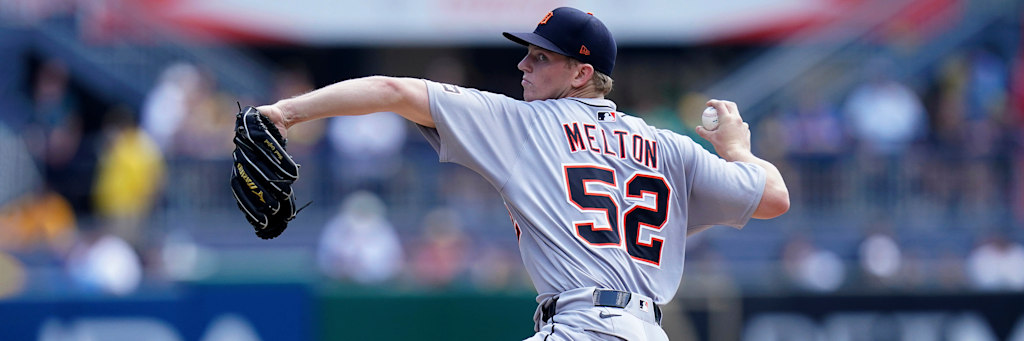
This is where the lesson gets honest. The AI does not love the Astros here. Detroit is starting Troy Melton, who has been excellent in his early body of work, a 2.56 ERA backed by a microscopic 0.947 WHIP, and he is throwing at home. Houston counters with rookie Tatsuya Imai, who has electric strikeout stuff but command that comes and goes. On talent and on the mound, Detroit is the better side of this matchup, and the model knows it.
So why take the Astros at all? Because the price is free. At +100, the market is telling you this is a coin flip, and a Houston roster with a strong lineup gives the model just enough reason to think the true odds are a touch better than 50 percent. When you find a coin-flip price on a team you project slightly ahead of the coin flip, you take the small edge. But you size it for what it is. The model stakes only 0.5 units, the smallest position on the card, because a rookie with shaky command and a road environment widen the range of outcomes. That is the discipline beginners miss: a real edge can still be a small bet when the uncertainty is high.
The Companion Under: How A Great Arm Caps A Game Total
The second pick on this card is the Astros and Tigers game total under 9. A game total is a single number for the combined runs both teams score, and the under wins if Houston and Detroit together plate 8 runs or fewer. The same Troy Melton who makes the Astros a slight underdog is the reason this under is the more confident play at a full unit. A 0.947 WHIP means Melton allows fewer than one baserunner per inning, and runs come from baserunners. An arm that keeps the bases clean keeps the run total low, which is why the under and the slight Astros dog can both be smart at the same time.
| Bet | What it covers | Wins when |
|---|---|---|
| Astros Moneyline +100 | Game winner only | Houston wins the game outright |
| Astros/Tigers Under 9 | Both teams combined | Houston and Detroit score 8 or fewer total |
Notice these two bets do not contradict each other. You can be right on both, right on one, or wrong on both, because they answer different questions. The moneyline asks who wins. The under asks how many runs are scored. A 2-1 Houston win cashes both. A 3-2 Detroit win cashes the under and loses the moneyline. Learning to see a card as a set of independent questions, instead of one big guess about the game, is the single biggest jump a beginner can make. Comerica Park helps the under too, because it is a roomy ballpark that historically holds run totals down, the same way a small park would push them up.
How The AI Sizes A Card Like This
The unit sizing on this card is the lesson worth saving. The model risks 1 unit on the under and only 0.5 units on the Astros moneyline, and the reason is variance, not preference. The under leans on a measurable, repeatable input, Melton's elite WHIP plus a pitcher-leaning park, so the outcome band is narrower and the stake is larger. The Astros dog leans on a thin projected edge against a rookie with volatile command, so the band is wider and the stake shrinks. A good model does not bet every edge the same amount. It bets bigger when it is more certain and smaller when it is less, and matching your stake to your confidence is how a bankroll survives a cold week.
The Futures Angle: What A Road Dog Teaches You
There is a longer game hiding in a pick like this. Learning to price an underdog is the same skill you use to read a futures market, where you bet on a team to win its division or reach the playoffs months in advance. A futures bet is just a giant underdog price on an outcome that has not happened yet, and the question is identical: does this team win more often than the odds imply. Every time you practice asking whether a +100 dog is really a coin flip, you are training the exact muscle that finds value on a 39-43 club's playoff number or a division long shot. that day's small Astros ticket is a single-game rep in a skill that pays off across a whole season.
What Beats These Picks
Both picks have a clear enemy. The Astros moneyline simply needs Detroit to be the better team it looks like on paper, and a sharp Melton start at home flips a coin-flip price into a loss. The under has one main threat, the big inning: a total can sit quiet for eight innings and then a single four-run frame busts it, and rookie Tatsuya Imai's command is the most likely source of a crooked number if he loses the zone. Lineups were not all confirmed at publication, so the reads assume the listed regulars. The model is favored on the under and only slightly ahead on the dog, but favored is a probability, not a promise, which is exactly why the Astros ticket is sized at half a unit.
Final Verdict
The June 25 AI card in Detroit is a two-part lesson in value. The Astros moneyline +100 is a coin-flip price on a road dog the model projects a hair above 50 percent, sized at just 0.5 units because the rookie-arm uncertainty is real. The Astros and Tigers under 9 is the more confident play at 1 unit, built on Troy Melton's 0.947 WHIP and a roomy Comerica Park. Learn to separate the winner question from the runs question, match your stake to your confidence, and you will read a card the way the model does. For more beginner-friendly breakdowns, see the latest AI card and the full pick archive.