A beginner's fastest way to level up is to learn the difference between the bets on a single card, and the July 4 slate is a perfect teaching board because it has four distinct kinds of wager side by side. It leads with the simplest one, a moneyline on the best team playing that day, then adds a run line, two team totals and three game totals on top of it. Run the card from the top and you will walk away knowing what separates a run line from a moneyline, why a team total is often the cleanest way to bet a great pitcher, and how a single night's picks quietly feed the season-long futures market.
Start With The Lead Pick: Brewers Moneyline -147
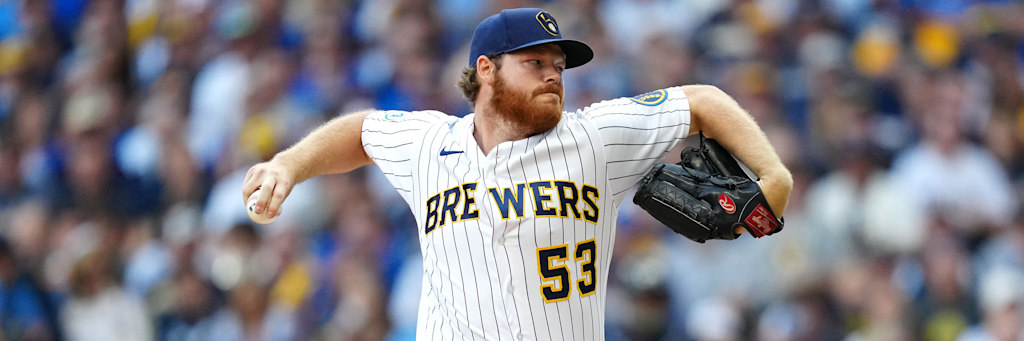
A moneyline is the first bet every beginner learns because it asks one question: who wins. that day the model bets the Milwaukee Brewers moneyline at -147 against the Arizona Diamondbacks, and the value is in the matchup. The Brewers are 54-32, the best record of any team playing that day, and they send Brandon Woodruff, who owns a tiny 0.84 WHIP, meaning he almost never lets a runner reach base. Arizona counters with Merrill Kelly at a 5.84 ERA. The better team and the far better pitcher are on the same side, and the price of -147 means you risk 147 to win 100. When the strongest club on the board carries the best arm too, that is a value moneyline, and it earns 2.5 units, the biggest play on the card.
A New Bet Type To Learn: The Run Line
Here is that day's headline lesson. A run line is baseball's version of a point spread, and it is almost always set at 1.5 runs. The favorite at -1.5 must win by two or more, and the underdog at +1.5 can lose by exactly one and still cash. that day's card uses a slightly different version worth learning: the Dodgers run line -1 at -200 against the Padres. The -1 means Los Angeles must win by more than one run, and the -200 price means you risk 200 to win 100 because that is a demanding ask on a strong favorite.
Why back it? The Dodgers are 58-31, the best record in baseball and the deepest lineup in the sport, and San Diego is not even starting a true pitcher that day, using a bullpen game fronted by opener Wandy Peralta. A patchwork staff against the best offense in the league is exactly the setup where a favorite wins comfortably rather than by a single run, and that is what a run line rewards. It earns 2 units, sized carefully because the -200 price and the run-line risk of a one-run finish both cut into the edge.
Two Words Every Beginner Confuses: Game Total And Team Total
Here is the next lesson, and it sits at the heart of that day's card. A game total covers the runs both teams score added together. A team total covers only one team's runs. They sound alike and behave completely differently, and the card uses both, so learn them here.
The Padres team total under 3.5 at -138 is a team total. You are betting only that San Diego scores three or fewer, and you do not care how many the Dodgers put up. It works because the Padres face Yoshinobu Yamamoto and his 0.89 WHIP, a pitcher who keeps one lineup quiet. The Mets team total under 3.5 at -125 is the same idea in Atlanta: you only need the Mets held under four against Chris Sale, whose 2.10 ERA is the lowest of any starter working that day. Because you only need one lineup held down, a team total is often the cleanest way to bet a great pitcher, which is why both earn 2 units.
The Rays-Astros under 7 at +100 is a game total, where you need both teams combined to score six or fewer. It works because both starters are stingy: Drew Rasmussen carries a 0.87 WHIP for Tampa Bay and Hunter Brown a 1.78 ERA for Houston. Notice the plus price. At +100 you win the same amount you risk, which is a beginner's dream on a bet the model already likes, so it earns 2 units.
Read The Price: What Every Number Costs
Before the rest of the card makes sense, learn to read the price. A minus number tells you how much you risk to win 100, and it hides the only figure that matters over time: your break-even rate, the share of bets you must win just to stay even. Take the price, divide it by the price plus 100, and there it is.
| Price | Risk to win $100 | Break-even win rate |
|---|---|---|
| +100 | $100 | 50.0% |
| -105 | $105 | 51.2% |
| -120 | $120 | 54.5% |
| -125 | $125 | 55.6% |
| -138 | $138 | 58.0% |
| -147 | $147 | 59.5% |
| -164 | $164 | 62.1% |
| -200 | $200 | 66.7% |
Read that table once and the card snaps into focus. The Dodgers run line at -200 is the most expensive play, so the model must be right two times out of three there just to break even, which is exactly why it leans on the best offense in baseball against a bullpen game. The Rays-Astros under at +100 is the cheapest, a coin-flip break-even where any real edge is pure profit. Price is a tax on confidence, and reading it is the single most useful skill a beginner can build.
The Rest Of The Board, Sized By Strength
Down the middle and bottom of the card, the plays teach you to match stake to conviction. The Braves moneyline at -164 earns 2 units on Chris Sale's edge over Sean Manaea. The White Sox team total under 3.5 at -120 and the White Sox-Guardians under 7.5 at -105 each earn 1.5 units, both riding Parker Messick and his 2.85 ERA in a pitcher-friendly Cleveland park. The Giants moneyline at -134 earns 1.5 units backing Robbie Ray over a Colorado rookie at an 8.64 ERA, and the Marlins moneyline at -125 earns 1.5 units on Sandy Alcantara outclassing Aaron Civale in Sacramento. The two lightest leans, the Blue Jays-Mariners under 7.5 at -105 behind Logan Gilbert and a pitcher's park, and the Rockies team total under 5.5 at -120, each earn a single unit because a rusty returning starter and the thin air at Coors Field both leave a real crack.
| Pick | Bet type | The read | Stake |
|---|---|---|---|
| Brewers ML -147 | Moneyline | Best record on the board, Woodruff 0.84 WHIP | 2.5u |
| Braves ML -164 | Moneyline | Chris Sale outclasses Manaea | 2u |
| Mets TT Under 3.5 (-125) | Team total | One lineup capped by Sale | 2u |
| Padres TT Under 3.5 (-138) | Team total | One lineup capped by Yamamoto | 2u |
| Dodgers -1 RL (-200) | Run line | Best offense vs a bullpen game | 2u |
| Rays/Astros Under 7 (+100) | Game total | Two stingy arms at even money | 2u |
| Giants ML -134 | Moneyline | Ray over an 8.64 ERA rookie | 1.5u |
| White Sox TT Under 3.5 (-120) | Team total | Messick 2.85 ERA in a pitcher's park | 1.5u |
| White Sox/Guardians Under 7.5 (-105) | Game total | Two solid arms, suppressing park | 1.5u |
| Marlins ML -125 | Moneyline | Alcantara over Civale in a bandbox | 1.5u |
| Blue Jays/Mariners Under 7.5 (-105) | Game total | Gilbert and a pitcher's park | 1u |
| Rockies TT Under 5.5 (-120) | Team total | Ray at Coors, thin-air caveat | 1u |
Where that day's Card Meets The Futures Market
Here is the part most daily breakdowns skip. A single-game ticket and a season-long futures bet are the same evidence at two different speeds. The model backing the Brewers moneyline that day is trusting a 54-32 club, and that record is the kind that keeps shortening a team's championship and division prices week after week. When you look at the World Series odds board, the smart move is to notice which teams the model keeps backing in daily spots before the futures market fully prices them in. Milwaukee winning behind its ace is a daily data point that feeds straight into their long-term number.
That same logic runs through the Dodgers. Los Angeles at 58-31 owns the best record in the sport, and that day the model trusts them enough to lay a run line, not just a moneyline. A club that dominant is the first name to check on the 2026 win totals board before its price moves further. For a beginner, the takeaway is that a daily card doubles as a futures scouting report: the teams the model keeps respecting in single games are the same names to watch on the long-term board.
What Beats This Card
Every play has a way to lose. The Brewers and Braves moneylines fall if a weaker opposing starter steals a home game. The Padres and Mets team totals bust on one three-run inning, the classic team-total risk. The Dodgers run line loses on a late one-run finish even in a win, the price you pay for laying -1. The Rays-Astros under leans on Hunter Brown's short return holding up. The Coors pair is the card's biggest gamble because the thin air can lift any offense over its number. The Blue Jays-Mariners under trusts a rusty Shane Bieber, and the Marlins moneyline needs a road favorite to win in a bandbox. Lineups were not all confirmed at publication, so a late scratch can move the math on any total. Favored is a probability, not a promise, which is why these twelve plays are spread from 1 to 2.5 units instead of stacked on any one.
Final Verdict
The July 4 AI card is a twelve-pick crash course in bet types. The Brewers moneyline -147 leads it at 2.5 units and teaches value on a moneyline, the Dodgers run line -1 introduces the run line as baseball's point spread, and the Padres and Mets team totals under 3.5 show how to bet one lineup against Yoshinobu Yamamoto and Chris Sale. The Rays-Astros under 7 at plus money is the game-total lesson at a coin-flip price, and the moneylines, team totals and unders below teach you to match stake to conviction. Learn the difference between a run line, a team total and a game total, read the break-even math behind every price, and watch which teams the model keeps trusting, and you will see how a single night's slip connects to the season-long futures board. For more beginner-friendly breakdowns, see yesterday's July 3 AI card, the 2026 win totals page, the World Series odds board, and the full pick archive.