If you are new to baseball betting, the moneyline is where most people start, but the over under is where the real teaching happens. A total is the most misunderstood bet for beginners, and it is also one of the most beatable once you know what actually drives it. Today the AI model leaned on a set of unders, the Astros and Blue Jays under 9, the Giants and Athletics under 9, and a White Sox team total under 3.5, and they make the perfect classroom. This is a ground-up walkthrough of what a total is, how a team total is different, and why strikeout pitching is the secret behind almost every smart under.
Start Here: What A Total Actually Is
A total, also called the over under, is a single number the sportsbook sets for the combined runs both teams will score in a game. You are not picking a winner. You are only deciding whether the two teams together score more than that number, the over, or fewer than it, the under. If the AI likes the Astros and Blue Jays under 9, it is betting that Houston and Toronto combine for 8 runs or fewer. If they score 9 exactly, that is a push and you get your stake back. Score 10, the over wins. Score 8, the under wins. The final winner of the game is completely irrelevant to your ticket.
Why The AI Read The Astros Blue Jays Under 9
| Team | Probable starter | Record |
|---|---|---|
| Astros | Peter Lambert (RHP, 6-4, 3.23 ERA, .199 opponent average) | 37-43 |
| Blue Jays | Shane Bieber (RHP, returning to the rotation) | 39-39 |
The single most important thing a beginner can learn about totals is this: who is pitching matters far more than who is hitting. Peter Lambert carries a .199 opponent batting average, which means hitters get a hit fewer than one in five times they face him. When a starter is that hard to square up, the run total drops, because runs come from hits and a pitcher who prevents hits prevents runs. That is the engine of the Astros and Blue Jays under 9.
Here is the honest caveat the model flags for you. Shane Bieber is just working his way back into Toronto's rotation, and a pitcher returning from time off is harder to predict than a settled starter. He has a strong track record, but his recent sharpness is a question mark, which widens the range of outcomes. That uncertainty is exactly why the line is set at 9 rather than lower, and it is why this is a measured under rather than a hammer. The case is Lambert's run prevention more than a guarantee on Bieber.
Why The AI Read The Giants Athletics Under 9
| Team | Probable starter | Record |
|---|---|---|
| Giants | Robbie Ray (LHP, 5-6, 4.07 ERA, 74 strikeouts) | 31-46 |
| Athletics | Aaron Civale (RHP, 5-3, 4.91 ERA, .306 opponent average) | 38-40 |
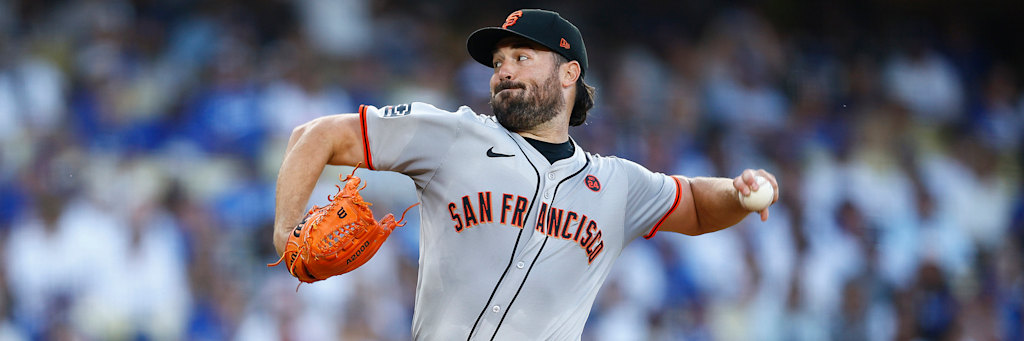
This under teaches a second lesson: the ballpark is a player too. Robbie Ray is a strikeout pitcher with 74 strikeouts on the year, and strikeouts are the surest way to keep runs off the board, because a strikeout can never become a hit or a run. He is also pitching at Oracle Park in San Francisco, one of the most pitcher-friendly stadiums in baseball. The cool, heavy air near the bay knocks down fly balls that would leave other parks, so the same swing that is a home run in a hitter's yard dies on the warning track here. Pitching plus park is the classic under recipe.
The counterpoint the model is upfront about is Aaron Civale on the other side. Civale has a 4.91 ERA and a .306 opponent average, meaning he gives up plenty of hits, and a soft starter can pull a total toward the over. The reason the AI still likes the under is that the Giants offense, sitting at 31-46, has not been good enough to punish him before the park caps the damage, and Ray plus Oracle Park does more to hold the Athletics down than Civale gives back. That is the kind of balance a model weighs that a beginner often misses.
The Team Total: A Different Bet On Just One Side
The White Sox team total under 3.5 introduces a bet a lot of newer bettors have never used, and it is one of the cleanest tools available. A team total is not the combined score. It is a number set for a single team's runs only. The White Sox team total under 3.5 wins if the White Sox score 3 runs or fewer, no matter what the Guardians do. It lets you bet your read on exactly one offense instead of guessing at both, which removes half the noise from the bet.
| Bet | What it covers | Wins when |
|---|---|---|
| Astros/Blue Jays Under 9 | Both teams combined | Houston and Toronto score 8 or fewer total |
| Giants/Athletics Under 9 | Both teams combined | San Francisco and Oakland score 8 or fewer total |
| White Sox Team Total Under 3.5 | White Sox only | Chicago scores 3 or fewer |
Why does the AI like Chicago under 3.5 specifically? Because the Guardians are starting Parker Messick, who has a 9.45 strikeouts-per-nine rate and holds hitters to a .215 average. Against an arm that misses that many bats, a middle-of-the-pack White Sox lineup projects to a quiet night, and 3.5 runs is a bar that a strikeout-heavy starter makes hard to clear. The team total lets you bet that read directly without worrying about how many runs Cleveland puts up.
How To Read A Total Like The Model Does
Put the lessons together and you have a checklist any beginner can run before betting an under. First, look at the two starting pitchers, because they set the ceiling on runs more than the lineups do. Second, check the strikeout rates and opponent batting averages, because bat-missing and weak contact are what actually suppress a total. Third, factor the ballpark, since a pitcher's park like Oracle quietly shaves runs off every game played there. When all three line up, as they do on today's unders, the under is the side the model trusts. When a soft starter is throwing in a launching pad, you flip the whole process and look at the over.
What Beats These Unders
Unders have one main enemy: the big inning. A total can sit quiet for eight innings and then a single five-run frame busts it, so an under is never as safe as the final number suggests. The Astros and Blue Jays under is most exposed to Bieber's rotation return going poorly and Toronto's bullpen leaking late. The Giants and Athletics under loses if Civale's high opponent average finally catches up and the offenses heat up at the same time. The White Sox team total under depends on Messick holding his strikeout rate; if he exits early, Chicago gets the Cleveland bullpen and the run column can climb. The model is favored on each, but favored is a probability, not a promise, which is why none of these are sized as a lock.
Final Verdict
The June 23 AI card leans on the unders, and they double as a beginner's course in totals: the Astros and Blue Jays under 9 on Lambert's .199 opponent average, the Giants and Athletics under 9 on Robbie Ray and pitcher-friendly Oracle Park, and the White Sox team total under 3.5 behind a strikeout-heavy Guardians starter. Learn to read the pitching, the strikeouts, and the ballpark, and you will read totals the way the model does. For more beginner-friendly breakdowns, see the latest AI card and the full pick archive.