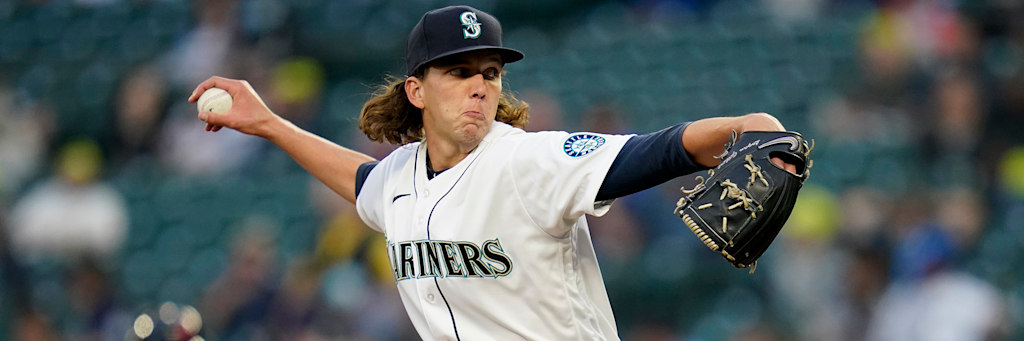
When a new bettor first sees a full card of six picks, the natural question is not which one wins, it is why some plays get bigger stakes than others. that day's AI card is a perfect classroom for that exact question. The model put down six plays for June 27, and instead of betting them all the same, it sized them from 1.5 units all the way up to 3. Walk through the card one pick at a time and the logic behind those numbers becomes the most useful thing a beginner can learn: how to match the size of a bet to the strength of the read behind it.
First, What A Unit Actually Is
A unit is simply one standard-sized bet, usually one percent of your total betting bankroll. If your bankroll is two hundred dollars, one unit is two dollars, and a 3-unit play is six. The point of thinking in units instead of dollars is that it forces you to bet in proportion to your confidence and to your bankroll, not your emotions. A model that bets every play the same amount is telling you it has no idea which reads are stronger. A model that varies its stake is telling you exactly where its conviction sits, and learning to read those numbers is half the skill.
The Anchor: Brewers Moneyline -152 (2.5 Units)
| Team | Probable starter | Record |
|---|---|---|
| Brewers | Kyle Harrison (LHP, 8-1, 2.50 ERA, 87 K) | 50-29, 1st NL Central |
| Cubs | David Peterson (LHP, 3-6, 6.09 ERA, 63 K) | 44-38, 2nd NL Central |
A moneyline is the simplest bet in baseball: you are just picking who wins, no margin required. The Brewers are -152, which means you risk 152 dollars to win 100, and that minus number tells you Milwaukee is the favorite. Why is the model confident here. The Brewers are 50-29, the best record in their division, and they hand the ball to Kyle Harrison at 8-1 with a 2.50 ERA and 87 strikeouts. The Cubs counter with David Peterson and his 6.09 ERA, a clear pitching mismatch. Milwaukee already won the series opener, so this is a strong team with the better arm at home.
So why only 2.5 units and not the top of the card. Because -152 is a fairly expensive price, and a divisional rivalry game can always tighten into a one-run finish where anything happens. The model loves the matchup but respects the cost, and that balance lands it at 2.5 units. That is the first lesson in sizing: a great read at a steep price is still a great read, but the price itself pulls the stake down a notch.
The Three Team Total Unders: Same Bet Type, Different Confidence
Three of the six plays are team total unders, and they are the heart of that day's sizing lesson. A team total covers the runs from one club only, so a team total under 3.5 wins when that single team scores 3 runs or fewer, no matter what the other side does. All three of these unders are built on the same idea, a good pitcher in a tough run environment, but the model staked them differently because the confidence behind each is different.
| Pick | Why the under | Stake |
|---|---|---|
| Braves TT Under 3.5 (-115) | Logan Webb (3.35 ERA) at Oracle Park, a strong pitcher's park | 3 units |
| Padres TT Under 3.5 (-145) | Yoshinobu Yamamoto and a deep Dodgers bullpen at Petco Park | 2.5 units |
| Cubs TT Under 3.5 (-115) | Kyle Harrison's strikeout stuff caps a beatable Chicago lineup | 2 units |
The Braves under is the biggest play on the whole card at 3 units, and the reason is that it stacks two advantages on one offense. Atlanta has to score against Logan Webb, a 3.35-ERA arm, inside Oracle Park, one of the toughest places in baseball to score. When the pitcher and the park both work against the same lineup, the model leans in hardest. The Padres under at 2.5 units is nearly as strong, with Yoshinobu Yamamoto and a deep Dodgers bullpen working in pitcher-friendly Petco, but San Diego's bats are hot on a four-game win streak, which adds a little risk and trims the stake. The Cubs under at 2 units is the lightest of the three because it rides entirely on one input, Harrison's strikeout stuff, with no park edge, so a single Chicago home run is a bigger threat.
The Value Play: Giants Moneyline -125 (1.5 Units)
This is the smallest stake on the card, and it teaches a different lesson: sometimes the best price hides behind a bad record. The Giants are just 33-48, yet the model backs them at -125 because they start Logan Webb, the same ace driving the Braves team total under, at home in pitcher-friendly Oracle Park. When the park keeps the score low, the team with the better pitcher wins more of the close games, and the market priced San Francisco for its record instead of its arm.
The model keeps this to 1.5 units for an honest reason. The Braves are the much better team at 49-31, and in a low-scoring game the stronger roster can win 2-1 just as easily as the Giants can. The edge is real but thin, so it earns the lightest stake. The takeaway for beginners is that a smart bet and a small bet are not opposites. A genuine value spot with a narrow margin deserves a real wager and a careful size, and 1.5 units is exactly that.
The Game Total: Mariners Guardians Under 7.5 (3 Units)
| Team | Probable starter | Record |
|---|---|---|
| Mariners | Logan Gilbert (RHP, 6-4, 3.29 ERA) | 42-41 |
| Guardians | Slade Cecconi (RHP, 3-6, 4.48 ERA) | 42-40 |
The last play is the only full-game total on the card, and it shares the top stake at 3 units. A game total covers both teams combined, so the under 7.5 wins if Seattle and Cleveland together score 7 runs or fewer. The model likes this one because every input agrees: Logan Gilbert is a front-line arm at 3.29, Progressive Field is a pitcher's park, and both clubs are average offenses sitting right at .500. When two so-so lineups meet a good pitcher in a low-scoring yard, the runs tend to stay down.
The one wrinkle a beginner should notice is the other starter. Cleveland's Slade Cecconi carries a 4.48 ERA, which means he can give up a big inning and push the total over by himself. The model still trusts the overall environment enough for 3 units, but that shaky second arm is exactly the kind of detail that separates a confident play from a lock. There is no such thing as a lock, which is why even the firmest read on the card is sized at 3 units and not more.
How To Read The Whole Card At A Glance
Line the six plays up by stake and the model's thinking becomes a simple ladder. The 3-unit plays, the Braves under and the Mariners Guardians under, are the ones where every input agrees and nothing pulls against them. The 2.5-unit plays, the Brewers moneyline and the Padres under, are strong reads with one drag on them, a steep price or a hot opponent. The 2-unit Cubs under rides a single input. And the 1.5-unit Giants moneyline is a thin but genuine value spot. You never have to agree with the model to learn from it. Just match the size to the strength, every time.
What Beats This Card
Every play has a way to lose. The Brewers moneyline falls if Peterson pitches a quiet game and the rivalry stays close. The three team total unders all share one enemy, the single big inning, where one swing from the Cubs, Padres or Braves clears 3.5. The Giants moneyline loses if the better Atlanta roster simply wins the low-scoring game. The Mariners Guardians under is most exposed to a Cecconi blowup. Totals and team totals also depend on lineups, and lineups were not all confirmed at publication, so a late scratch can move the math. The model is favored on each play, but favored is a probability, not a promise, which is exactly why the stakes are spread from 1.5 to 3 units instead of all-in on any one.
Final Verdict
The June 27 AI card is a six-pick lesson in unit sizing. The Brewers moneyline -152 anchors at 2.5 units, the Braves team total under 3.5 and Mariners Guardians under 7.5 top the board at 3 units where every input agrees, the Padres team total under 3.5 sits at 2.5, the Cubs team total under 3.5 at 2, and the Giants moneyline -125 at a careful 1.5 units of value. Learn to match your stake to the strength of the read and you will think about a card the way the model does. For more beginner-friendly breakdowns, see the heavy-juice favorites guide, the totals explainer, the latest AI card, and the full pick archive.