Most new bettors meet the over by accident, watching a game soar past a number they never set and wondering how anyone saw it coming. Today the AI model puts two overs on the card and turns them into a classroom. The headline read is the Minnesota Twins team total over 4.5 against Colorado, paired with the Athletics and Angels game total over 8.5 in Anaheim. Those two picks answer a question every beginner needs to own before risking a dollar on a total: where do runs actually come from, and how do you spot a night when more of them are coming.
Start Here: What Betting The Over Means
A total is a number a sportsbook posts for how many runs will be scored, and you simply bet whether the real result lands above it or below it. Take the over and you win when the runs pile up past the line; take the under and you win when they stay beneath it. There are two flavors on today's card. A team total covers the runs from one club only, so the Twins over 4.5 wins if Minnesota alone scores 5 or more, no matter what Colorado does. A game total covers both teams combined, so the Athletics and Angels over 8.5 wins if the two sides together plate 9 or more.
Here is the idea that turns a beginner into a bettor. A total is not a guess about who wins, it is a read on the run environment, and the biggest single lever on that environment is the pitcher. A starter who misses a lot of bats pushes a total down, because a strikeout is the one outcome that produces nothing. A starter who lets hitters put the ball in play keeps the run faucet open, because contact becomes hits and hits become runs. So when the model hunts an over, the first thing it looks for is a pitcher the opposing lineup can square up.
Why The AI Likes The Twins Over 4.5
| Team | Probable starter | Record |
|---|---|---|
| Rockies | Tomoyuki Sugano (RHP, 4.01 ERA, 1.25 WHIP, low strikeout rate) | 32-49 |
| Twins offense | Minnesota, hosting at Target Field | 38-44 |
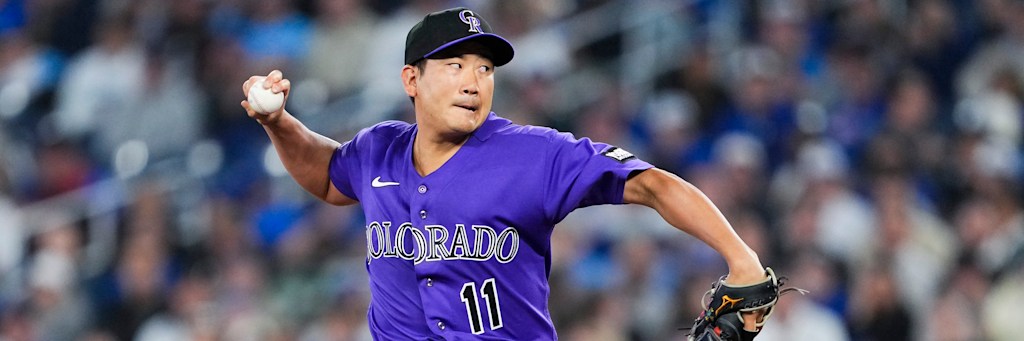
This is the cleaner of the two lessons. Colorado is starting Tomoyuki Sugano, a veteran who has succeeded in his career by inducing contact rather than blowing hitters away, and his strikeout-to-walk numbers tell the story: a 31-to-16 ratio across his early body of work is modest, and a 1.25 WHIP means he allows a healthy stream of baserunners. A contact pitcher who does not miss bats is exactly the profile a team total over is built to attack, because every ball in play is a chance for the Twins to start a sequence. Minnesota gets him at home in Target Field, where its bats are most comfortable.
The model does not need the Twins to explode for a crooked number. It needs them to reach 5 runs, which a major league lineup does often against a starter who pitches to contact and a Colorado bullpen that has been one of the league's most generous all season. That second piece matters: even if Sugano keeps things quiet for five innings, the relievers behind him on a 32-49 club widen the path to the fifth run late. The over 4.5 leans on the same logic from both directions, a hittable starter in front and a soft bullpen behind. The honest counter is that Sugano's contact can turn into soft outs on his sharp days, and one efficient start holds Minnesota to a quiet 3 or 4. That is the risk you accept on any over.
The Companion Over: A Different Reason For The Same Bet
The second pick on this card is the Athletics and Angels game total over 8.5, and it teaches a lesson that surprises beginners. An over does not always require bad starting pitching. The Athletics send out J.T. Ginn, who has been sharp with an ERA near 3.00, and the Angels counter with Walbert Urena and his excellent 2.41 ERA. On the marquee, this looks like an under. So why does the model lean over.
| Bet | What it covers | Wins when |
|---|---|---|
| Twins Team Total Over 4.5 | Minnesota runs only | Twins score 5 or more |
| Athletics/Angels Over 8.5 | Both teams combined | Athletics and Angels score 9 or more total |
The answer is that a game has nine innings and a starter rarely pitches all of them. Both of these arms are good, but neither is a workhorse who finishes games, which means the back half belongs to two bullpens that have been far shakier than the men who start. Add two lineups with real pop and an Anaheim ballpark that plays fair to hitters, and the combined run distribution drifts north of 8.5 even with two quality starters setting the early tone. The over here is a bet on the sixth inning forward, not the first. It is a higher-variance read than the Twins total, which is why the model treats it as a coordinate play rather than a lock, and it sizes both overs at a measured 1.5 units.
How The AI Sizes An Over
Sizing is the part beginners skip and bettors obsess over. Both of these overs carry the same 1.5-unit stake, and that is a deliberate signal: the model rates them as comparable edges with comparable uncertainty, not as a hammer and a flier. The Twins total has a cleaner front-end case in a hittable starter, while the Athletics and Angels over depends on bullpens and late innings, so the two different sources of confidence roughly cancel into the same number. The discipline to learn is that your stake should track how sure you are, and when two bets feel about equally live, they should carry about the same size. Betting a shaky hunch the same as a strong read is how a bankroll bleeds out on the nights the variance breaks against you.
The Futures Angle: What Reading Overs Teaches You
There is a season-long skill hiding in a single total. Learning to read a run environment, the pitching, the bullpens, the park, is the same muscle that prices a futures bet on how many games a team wins or whether it reaches the playoffs. A win total for a club like the 38-44 Twins is really a giant question about run scoring and run prevention stretched across a whole schedule, and every time you size up whether one lineup beats one number tonight, you are practicing the exact read that values a season-long market. Today's two overs are single-game reps in a skill that compounds across the calendar.
What Beats These Picks
Both overs share one enemy, the quiet game. The Twins total loses if Sugano's contact turns into weak outs and Minnesota strands its chances, holding the home club to 4 or fewer. The Athletics and Angels over dies if both bullpens have a clean night and the two good starters carry deep, keeping the combined score at 8 or below. Overs also depend on lineups, and lineups were not all confirmed at publication, so a late scratch of a key bat can move the math. The model is favored on both, but favored is a probability, not a promise, which is exactly why neither over is sized larger than 1.5 units.
Final Verdict
The June 26 AI card is a two-part lesson in where runs come from. The Twins team total over 4.5 is the clean read, an offense at home against a contact pitcher who does not miss bats and a soft bullpen behind him. The Athletics and Angels over 8.5 is the subtler one, an over built on bullpens and late innings rather than weak starters. Learn to separate the run environment from the winner, match your stake to your confidence, and you will read a total the way the model does. For more beginner-friendly breakdowns, see the totals explainer guide, the latest AI card, and the full pick archive.