Last night in Detroit, the Tigers put ten runs on the Philadelphia Phillies. that night, the AI's second-biggest bet of the day says that same Detroit lineup will not even reach four. If that sounds backwards to you, good, because sitting with that discomfort for five minutes will teach you more about how a betting model thinks than a month of watching highlight shows. The July 11 card has eight plays sized from 1 unit to 3 units, and the two heaviest, the Yankees moneyline at -191 and the Tigers team total under 3.5, are both bets that numbers built over months beat feelings built last night.
The Unit Ladder: What 1u, 1.5u, 2u And 3u Actually Tell You
A unit is a standard bet size, usually about one percent of your bankroll, so a 3-unit play risks three times what a 1-unit play does. Most days the model's card lives between 1.5 and 2 units. that day it uses four different sizes, and that spread is information. When a model bets 3 units, it is saying the gap between its projection and the market price is unusually wide. When it drops to 1 unit, it is saying the read is real but the bet type is volatile. Reading the sizes down a card, before you read a single matchup, tells you where the machine's conviction actually lives, and that day it lives in Washington and Detroit.
The Biggest Play: Yankees Moneyline -191 (3 Units)
| Item | Yankees | Nationals |
|---|---|---|
| Record | 52-42 | 48-47 (20-29 at home) |
| Starter | Cam Schlittler: 2.01 ERA, 0.93 WHIP, 131 K in 112 IP | PJ Poulin: 2.83 ERA, 35 IP in 10 starts |
| Staff ERA | 3.40 | 4.76 |
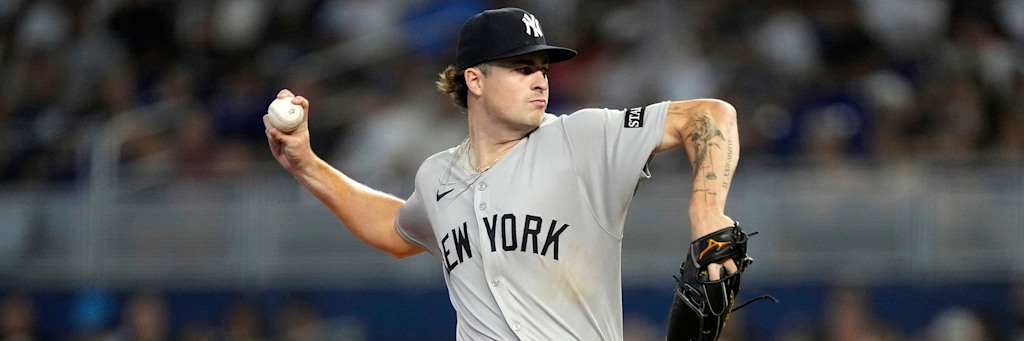
Start with the price, because -191 scares new bettors and it should. A -191 favorite means you risk 191 dollars to win 100, and the break-even math says the bet only makes money long term if it wins more than 65.6 percent of the time. That is a high bar. Here is why the model clears it. Cam Schlittler has a 2.01 ERA, the best of any starter on this card, with 131 strikeouts and only 21 walks in 112 innings. The Nationals' listed starter, PJ Poulin, has a shiny 2.83 ERA hiding a detail every beginner should learn to check: he has thrown just 35 innings in 10 starts. That is three and a half innings per outing, which makes him an opener, a pitcher who starts the game but hands it to the bullpen almost immediately. Washington's bullpen belongs to a staff with a 4.76 ERA, one of the highest on the board. So this bet is really six innings of one of the stingiest arms in the sport against five-plus innings of a below-average relief corps.
The honest warning: Washington scores 5.38 runs per game, the most of any team on this card, and strangely plays much better on the road, 28-18, than at home, where it is 20-29. New York also comes in just 4-6 over its last ten. The Yankees won the series opener 5-3 on Friday, but at -191 there is zero room for a bad bullpen inning. That is what 65.6 percent break-even means in practice.
The Boldest Play: Tigers Team Total Under 3.5 (3 Units) Plus Phillies Moneyline (1.5 Units)
A team total ignores half the game. The Tigers under 3.5 wins if Detroit scores three or fewer, no matter what Philadelphia does. Now the uncomfortable part: Detroit has won six straight, gone 9-1 in its last ten, scored 45 runs in eight July games, and humiliated this same Phillies team 10-2 last night. Betting this under feels like stepping in front of a train, and that feeling is exactly what the model is exploiting. Over the full season, Detroit averages 4.31 runs per game and owns a 44-50 record. Hot streaks are real while they last, but they do not tell you anything about that night, and that night the Tigers face Cristopher Sanchez, a left-hander with a 2.62 ERA, a 1.16 WHIP, and 137 strikeouts against only 24 walks in 120.1 innings. Pitchers like that end heaters. The -140 price needs the under to win 58.3 percent of the time, and the model's projection for a season-average Detroit lineup against Sanchez comfortably clears it, which is why this play carries 3 units.
The 1.5-unit Phillies moneyline at -134 rides along with a smaller stake for a reason worth learning. Detroit's starter, Casey Mize, has a 2.64 ERA and a 0.98 WHIP, nearly identical to Sanchez's numbers, so the pitching matchup is even and the lean comes only from the roster gap, 52-43 Philadelphia against 44-50 Detroit. When your edge comes from one input instead of two, you bet smaller. That is the whole lesson of the ladder.
The Ace Play: Diamondbacks Team Total Under 3.5 (2 Units)
Yoshinobu Yamamoto holds hitters to a .190 batting average, walks almost no one, 21 free passes all season against 100 strikeouts, and carries a 0.88 WHIP, which means he allows fewer than one baserunner per inning. Arizona is a 47-47 team scoring 4.28 runs per game that hits just .237 and drops to 20-27 on the road. Ask a lineup like that to score four times against an arm like this, in front of a Dodgers team that is 31-17 at home, and you see why the model sells Arizona's runs at -140. The catch, stated plainly because every good bet has one: the Diamondbacks have scored a first-inning run in 10 of their last 19 games. This lineup jumps on pitchers early, and one early crooked inning kills a 3.5 line fast. That risk is why this is 2 units instead of 3.
The Petco Pair: Under 8 (2 Units) And A First-Inning Bet (1 Unit)
Two plays share the Blue Jays-Padres game in San Diego, and they make a nice classroom for two different bet types. The under 8 is a full game total, and it leans on the two weakest offenses on the card: Toronto scores 4.05 runs per game, San Diego just 3.89 with a .225 team batting average and 36 runs in its last ten games. Toronto's starter, Trey Yesavage, holds opponents to a .181 average, the lowest of any pitcher on the board that day.
The NRFI, short for No Run First Inning, is a bet that neither team scores in the first inning only. It settles in about twenty minutes and it is the most volatile bet type on the card, which is why it gets the minimum 1 unit even though the inputs are strong: Toronto has scored in the first in just 4 of its last 18 games, and San Diego in 5 of its last 20. The weak link for both plays is the same man: Padres starter Walker Buehler carries a 5.07 ERA and a 1.39 WHIP, easily the roughest season of any starter the card relies on. If either Petco bet loses, he is the likely reason, and the sizing already accounts for that.
The Quiet Two: Mariners-Rays Under 7 And Rangers Under 4.5 (1.5 Units Each)
| Pick | Key arm | Key number |
|---|---|---|
| Mariners/Rays under 7 (-105) | Logan Gilbert: 3.19 ERA, 0.95 WHIP, 114 K | Seattle has scored 27 runs in 8 July games |
| Rangers TT under 4.5 (-147) | Peter Lambert: 3.26 ERA, 1.15 WHIP, .205 opp AVG | Texas averages 4.15 runs per game this season |
The Tampa Bay game is played indoors at Tropicana Field, so no wind or heat will inflate the total, and it features Logan Gilbert, whose 0.95 WHIP is second only to Yamamoto's on this card, against a Seattle team that has lost four straight and is hitting .230 for the season. At -105, the under 7 breaks even at just 51.2 percent, the cheapest ticket of the day. The Rangers under is the opposite case: a fine read on Peter Lambert, whose .205 opponent average matches bigger names, but at a steep -147, meaning a 59.5 percent break-even. Cheap price, low bar. Expensive price, high bar. The model sizes both at 1.5 units because each has one flaw: the Rays game total is low to begin with, and Texas has scored 40 runs in its last eight games, including seven in back-to-back nights.
The Loss Column: Naming Every Risk
The Tigers under and the Phillies moneyline lose together if Detroit's streak simply continues, and streaks do sometimes continue, that is what makes them streaks. The Yankees at -191 is the most expensive ticket on the card, and one bad bullpen inning against a Washington offense scoring 5.38 runs per game erases it. Arizona's habit of first-inning runs, ten in its last nineteen games, directly threatens the D-backs under. Both Petco plays lean away from Walker Buehler's 5.07 ERA and can be undone by it. The Rangers total needs the season-long version of Texas, not the July version. The NRFI can lose in the first twenty minutes on a single swing. Lineups were not final at publication. Every play on this card is favored by the model's math, and favored things lose every single day, which is why nothing here is bigger than 3 units.
The Card In One Paragraph
Trusting full-season numbers over last night's box score is the whole July 11 thesis, the same discipline that separates a priced card from the chatbot guessing our AI prompting guide warns about. The Yankees moneyline at -191 for 3 units banks on Cam Schlittler's 2.01 ERA against an opener and a thin bullpen, and the Tigers team total under 3.5 at -140 for 3 units bets that Cristopher Sanchez cools off the team with the best ten-game record in baseball. The Diamondbacks under 3.5 and Blue Jays-Padres under 8 carry 2 units each, the Phillies moneyline -134, Mariners-Rays under 7 and Rangers under 4.5 sit at 1.5, and the NRFI at -125 takes the minimum 1 unit. Match the size to the strength of the read and the card reads itself. For more beginner walkthroughs, see the July 10 AI card, the unit sizing guide, the latest AI card, and the full pick archive.