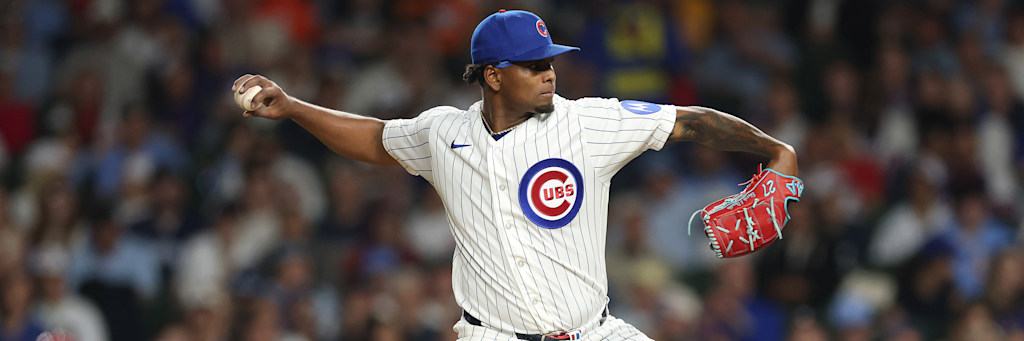
If you are new to betting baseball, the two most common plays you will ever see are a moneyline and a total, and Tuesday's AI card happens to be one of each. That makes June 16 a perfect teaching slate. The model lands on the Cubs moneyline at -187 for 3 units and the Red Sox versus Blue Jays under 7.5 for 1.5 units. This walkthrough explains exactly what each bet means, why the AI likes each side, and why one gets twice the stake of the other.
Start with the vocabulary, because it is simpler than it sounds. A moneyline is a bet on who wins the game, nothing else. A total, also called an over/under, is a bet on the combined runs both teams score. that night you get to see both in action, with a clear, beginner-level reason behind each one.
The Anchor Play: Cubs Moneyline -187, 3 Units
The heaviest stake on the card goes to the play with the widest edge, and that is the Chicago Cubs moneyline at -187 at Wrigley Field against the Colorado Rockies. A moneyline of -187 means you risk 1.87 units to win 1 unit, and the price implies the Cubs should win about 65 percent of the time. For a beginner, the question is always whether that 65 percent feels too low for the matchup, and here it does.
The reason is two-fold and easy to follow. First, the records. The Cubs are 37-35 and lead their division; the Rockies are 27-45 and own one of the worst marks in baseball, and they are even softer on the road than at home. Second, the pitching. Edward Cabrera, who has been the Cubs' most reliable starter since arriving from Miami, takes the mound with 58 strikeouts against just 23 walks, which means he misses bats and rarely hands out free baserunners. Ryan Feltner counters for Colorado with a 5.20 ERA. A stronger team at home with the better starter against a last-place road club is the textbook profile for the model's biggest stake, so the Cubs moneyline earns the full 3 units.
The Second Play: Red Sox vs Blue Jays Under 7.5, 1.5 Units
The second play moves to Fenway Park and switches bet types to a total. The under 7.5 is a bet that the Red Sox and Blue Jays combine for seven runs or fewer. It earns 1.5 units, and the whole case rests on the two starting pitchers.
Dylan Cease takes the ball for Toronto carrying the American League's best strikeout rate, above 12.9 strikeouts per nine innings, with a 2.91 ERA. For a beginner, a high strikeout rate matters for an under because a strikeout is the one outcome that can never turn into a run; the ball never gets put in play. Payton Tolle counters for Boston with a 2.70 ERA in a strong rookie season. When both starters are this good at preventing runs, asking the two offenses to combine for eight is a tall order, which is why the model lands on the under.
Why The Two Plays Are Sized Differently
| Play | Bet type | Line | Units | Why this stake |
|---|---|---|---|---|
| Cubs vs Rockies | Moneyline | -187 | 3.0 | Best team, best starter, last-place road foe |
| Red Sox vs Blue Jays | Total (under) | -115 | 1.5 | Two run-suppressing starters, but total variance |
Here is the beginner lesson hiding in the sizing. A single-game moneyline against a 27-45 team is one of the steadier spots you can find, so the model leans in with 3 units. A total carries more swing, because most games stay low but a single three-run inning can blow an under wide open. That extra bounce is why the model trims the Fenway under to 1.5 units even though it likes the side. Same logic you should use yourself: bet more where the outcome is steadier, less where one swing can flip it.
Verified Card Inputs
| Game | Records | Starters |
|---|---|---|
| Rockies at Cubs (8:05 PM ET, Wrigley) | COL 27-45 / CHC 37-35 | Ryan Feltner (2-2, 5.20 ERA) / Edward Cabrera (4-3, 4.86 ERA, 58 K / 23 BB) |
| Blue Jays at Red Sox (6:45 PM ET, Fenway) | TOR 34-38 / BOS 29-40 | Dylan Cease (3-3, 2.91 ERA, AL-best K rate) / Payton Tolle (3-3, 2.70 ERA) |
The Trend To Watch On The Under
One number works against the under, and an honest beginner guide names it: the Blue Jays have gone over the total in 11 of their last 15 games. That is a real hot streak for the Toronto bats. The reason the model still takes the under is that the total is already set at 7.5 rather than something higher, which tells you the book has accounted for that streak. The Blue Jays piled up those overs against a mix of pitchers, not against an elite strikeout arm like Cease and a sub-3.00-ERA starter like Tolle on the same night. The matchup, not the streak, is what the model trusts here.
Why This Matters For Your Bankroll
The biggest mistake newer bettors make is flat-betting every play the same amount. If you put the same stake on a steady moneyline and a swingy total, your night gets decided by your shakiest pick as much as your strongest one. By putting 3 units on the Cubs and 1.5 on the Fenway under, the model concentrates money where the outcome is most predictable. You do not need software to copy this. Before any bet, ask yourself whether it is a 3-unit conviction or a 1.5-unit lean, and size it that way.
The Honest Counterpoint
No card is risk-free, and baseball punishes overconfidence faster than any sport. The Cubs are favored, but a -187 price has no plus-money cushion, so a Cabrera off-night or a quiet Chicago lineup can sink it. The Fenway under can be erased by one big inning, because that is how totals tend to break. The Blue Jays over streak is a live threat, not just a footnote. The model is favored on both sides, but favored never means certain, and that is exactly why the stakes are measured rather than maxed out.
Final Verdict
The June 16 model card is the Chicago Cubs moneyline at -187 for 3 units and the Red Sox versus Blue Jays under 7.5 at -115 for 1.5 units. The Cubs play is the anchor because a division leader at home with the better starter against a last-place road club is the steadiest edge on the board, and the Fenway under is the lighter lean behind two run-suppressing arms. For more beginner-friendly model breakdowns, see our guide to why the AI backs home favorites, our walkthrough on how an AI sizes a card by units, and the full daily picks archive for how these model cards have performed.