If you are still learning how baseball betting works, Wednesday's AI card is built like a lesson plan. It gives you two game totals and a run line, which are three of the most common bet types you will ever place, all on the same slate. The model lands on the Brewers versus Guardians under 7.5 for 1 unit, the Tigers versus Astros under 8.5 for 1 unit, and the Cubs run line at -1 for 2 units. This walkthrough explains what each bet means, why the AI likes it, and how today's pitching reads connect to a smarter way of thinking about season-long futures.
Start with the vocabulary, because it is simpler than the jargon makes it sound. A game total, also called an over/under, is a bet on the combined runs both teams score. A run line is baseball's version of a point spread, where a favorite must win by more than a set number of runs. A futures bet is a wager on a season-long outcome, like which team wins a division. You get to see two of those three in live action today, and a clear way to think about the third.
The First Total: Brewers vs Guardians Under 7.5
| Team | Probable starter | 2026 record |
|---|---|---|
| Guardians | Gavin Williams (RHP) | 39-34 |
| Brewers | Brandon Sproat (RHP) | 44-26 |
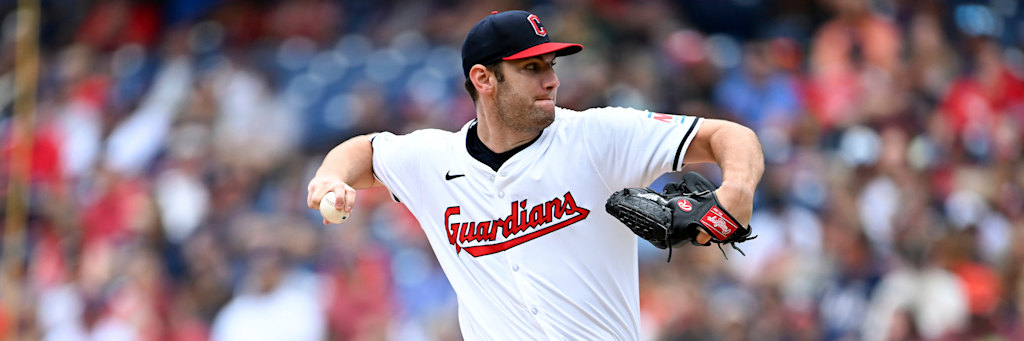
Up first is the Guardians at Brewers under 7.5 at American Family Field. An under 7.5 simply means you are betting the two teams combine for seven runs or fewer. The model likes it because Cleveland sends Gavin Williams, the Guardians' most dependable starter, into a matchup the betting market has already pinned to a low number. When a book sets a total as low as 7.5, it is telling you it expects a tight, pitching-led game, and the model agrees.
Here is the beginner takeaway. A low total is not automatically an under; it just means the margin is thin. Milwaukee owns the best record in the National League at 44-26, so even a strong-pitching matchup can tip over if the home bats get going. That risk is exactly why this play earns only 1 unit. The model likes the side, but it respects that 7.5 is a number a single big inning can erase.
The Second Total: Tigers vs Astros Under 8.5
| Team | Probable starter | 2026 record |
|---|---|---|
| Tigers | Casey Mize (RHP) | 30-43 |
| Astros | Peter Lambert (RHP) | 34-41 |
Next, the second total moves to Houston, where the Tigers face the Astros with an under 8.5 on the board. Casey Mize takes the ball for Detroit against Peter Lambert for Houston, and the model reads both starters as good enough to keep the combined run count beneath the line. For a newer bettor, the lesson is that a game total is mostly a bet on the two starting pitchers; when both are capable of working into the middle innings without giving up crooked numbers, the under has a real path.
This play also earns 1 unit, and the reason is the same as the Brewers game. Both clubs sit below .500, which can mean quiet bats, but a game total swings on a single inning, so the model keeps the stake measured. Two 1-unit totals is the model telling you it likes both sides without overcommitting to the swingiest bet type on the board.
The Run Line: Cubs -1, 2 Units
The heaviest stake on this teaching card is the Cubs run line at -1 for 2 units against the Colorado Rockies at Wrigley Field. A run line of -1 means the Cubs must win by two or more runs for the bet to cash. It is the bridge between a moneyline and a spread, and it is a great way to learn how favorites get priced.
Our model leans in here because of the gap in team quality. The Cubs sit at 38-36 and host one of the worst teams in baseball in the Rockies, who own a 28-46 record and are even weaker on the road. Laying a single run against a last-place road club is one of the cleaner spots a run line offers, because the favorite is expected not just to win but to win comfortably. That is why this play earns 2 units, double the stake of either total. A run line against a heavy underdog is a steadier outcome than a game total that can flip on one swing.
How The AI Sizes The Three Plays
| Play | Bet type | Line | Units | Why this stake |
|---|---|---|---|---|
| Brewers vs Guardians | Game total (under) | 7.5 (-105) | 1.0 | Low number, but a strong home club adds swing |
| Tigers vs Astros | Game total (under) | 8.5 (-110) | 1.0 | Two capable starters, total variance keeps it light |
| Cubs vs Rockies | Run line | -1 (-145) | 2.0 | Heavy favorite vs a 28-46 road club, steadier outcome |
The beginner lesson hiding in the sizing is the most useful habit you can build. The two game totals carry more swing because a single three-run inning can blow an under wide open, so they get 1 unit each. The Cubs run line against a last-place opponent is a steadier outcome, so it gets 2 units. Same logic you should use yourself: bet more where the result is steadiest, less where one swing can flip it.
From Today's Pitching To Season Futures
Here is where a beginner can level up. The same pitching reads that drive today's card also drive the smartest futures thinking. Milwaukee at 44-26 owns the best record in the National League, and the New York Yankees at 44-27 lead the American League East, while the Colorado Rockies at 28-46 are the kind of club a sharp bettor avoids in any season-long market. When you watch a model lean on Gavin Williams to cap a total tonight, you are watching the same starter-quality signal that, scaled across a full season, separates a division contender from a cellar team.
The futures takeaway is not to chase a longshot. It is to notice which clubs keep showing up on the right side of pitching matchups. A team whose starters routinely suppress runs tends to bank quiet, low-variance wins, and those wins compound into the standings. The next time you look at a division futures price, ask whether the team has the rotation to keep producing the kind of games the model trusts tonight. That single question will steer you away from the flashy bets and toward the durable ones.
The Honest Counterpoint
No card is risk-free, and baseball humbles confident bettors faster than any sport. Both unders can be erased by one big inning, which is the nature of a total. Milwaukee's league-best record means the Brewers bat is live even in a low-total spot. The Cubs run line asks Chicago to win by two or more, and a one-run game, even a Cubs win, loses the bet. The model is favored on all three, but favored never means certain, and that is exactly why two of the three plays are sized at just 1 unit.
Final Verdict
The June 17 AI card is the Brewers versus Guardians under 7.5 for 1 unit, the Tigers versus Astros under 8.5 for 1 unit, and the Cubs run line at -1 for 2 units. The run line is the anchor because laying a single run against a 28-46 road club is the steadiest edge on the board, while the two totals are lighter leans behind capable starters. The bigger lesson is to let pitching quality guide both your daily plays and your futures thinking. For more beginner walkthroughs, see our guide to how the AI reads a moneyline and a total, our breakdown of how an AI sizes a card by units, and the full daily picks archive.