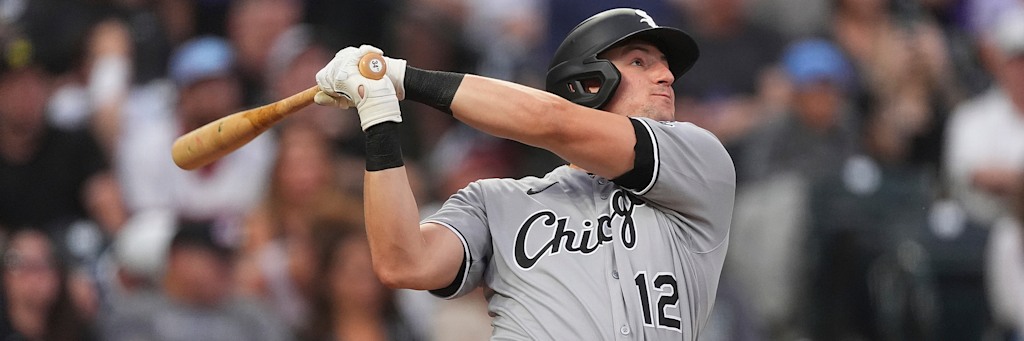
Here is a number to hold onto while you read this card: five. That is how many runs the Athletics have scored in their last five games combined. Not per game. Combined. The sequence reads 2, 1, 1, 1, 0, and it ended last night with a 1-0 shutout loss in Chicago, the eighth straight defeat for a team that now has to wake up this afternoon and do it all again in the same ballpark. The AI's biggest bet of the day, the White Sox moneyline at -145 for 3 units, is a bet that a team producing one run per night does not suddenly fix itself on a Sunday. The card around it has eight more plays, and if you are newer to this, that day is a beautiful slate to learn from, because almost every bet type in baseball shows up on it: a moneyline, a team total, a game total, a first-five-innings total, a run line, and an NRFI.
Reading The Ladder: What The Four Stake Sizes Mean
A unit is a fixed slice of your bankroll, usually one percent, and the size the model attaches to each play is the most honest sentence it can write. Three units means multiple independent signals stack on the same side. Two units means the read is strong but carries one visible flaw. One and a half means the edge comes from a single input. One unit means the bet type itself is volatile no matter how good the numbers look. that day the ladder uses all four rungs across nine plays and 17 total units, which is a heavy day, and the weight sits exactly where the data is loudest: Chicago and Detroit.
The Headline Play: White Sox Moneyline -145 (3 Units)
| Item | White Sox | Athletics |
|---|---|---|
| Record | 49-45, 30-17 at home | 41-54, lost 8 straight, 1-9 last ten |
| This series | Won 14-1 and 1-0 | 1 run in 2 games |
| Starter | Noah Schultz: 2-6, 6.00 ERA, 29 BB in 48 IP | J.T. Ginn: 7-5, 3.10 ERA, .214 opp AVG |
Start with what the price is telling you. At -145, you risk 145 dollars to win 100, and the break-even math says the bet needs to win 59.2 percent of the time to profit long term. Now look at the table above and notice something strange: the pitching matchup favors the other side. J.T. Ginn has been the Athletics' best starter all season, 7-5 with a 3.10 ERA across 98.2 innings, while Noah Schultz has struggled to a 6.00 ERA with 29 walks in 48 innings. A beginner sees that and asks the right question: why is the AI laying -145 with the worse pitcher? Because the model weighs lineups over single arms, and this Athletics lineup is the coldest unit in baseball. One run-scoring first inning in its last 17 games. Five runs in five days. A .244 season average that has collapsed into nothing since the calendar flipped. Chicago has won 30 of its 47 home games and has outscored this exact team 15-1 since Friday. The companion play, the Athletics team total under 4.5 at -135 for 2 units, is the same thesis with a seatbelt: it does not need the White Sox to win, only for the Athletics to stay under five runs, a bar they have failed to clear in six of their last eight games.
The Best Game Of The Day: Phillies-Tigers Under 7, Three Ways
Zack Wheeler against Tarik Skubal is the matchup of the season so far, full stop. Wheeler is 9-1 with a 2.28 ERA, a 0.91 WHIP, and a .190 opponent average. Skubal has a 3.06 ERA, a 0.95 WHIP, and the most ridiculous strikeout-to-walk ratio in the sport: 84 strikeouts, 10 walks. The AI attacks one game with three different bets, and understanding why each gets its own size is a free lesson in bet construction.
The full-game under 7 at -120 for 3 units is the anchor. Both offenses hit exactly .236 this season, and the model projects this game well under the number when two starters of this class control most of the innings. The first five innings under 3.5 at -115 for 2 units is the same idea with the bullpens surgically removed: if you trust the starters more than the relievers, and that day you should, the F5 bet isolates exactly the innings Wheeler and Skubal will pitch. The NRFI at -155 for 1 unit is the fastest version: it wins if the first inning ends 0-0, and the inputs are strong, Philadelphia has scored a first-inning run in only 3 of its last 19 games, Detroit in 5 of its last 18, and Wheeler's first-inning ERA is a microscopic 1.29 with a .143 opponent average. So why only 1 unit at the steepest price on the card? Because Skubal has a secret flaw: his first-inning ERA is 4.50, triple his season mark. The model sees it, sizes for it, and keeps the bigger money in the wider windows. One warning for the whole trio: Detroit is 8-2 in its last ten with 47 runs in nine July games, so the hot-lineup risk is real and it is priced in.
The Value Play: Cardinals -129 Against A Pitcher With No Starts
Atlanta is 54-40 and St. Louis is 50-44, so seeing the Cardinals favored looks like a mistake until you check that day's pitching lines. Atlanta's listed starter, Danny Young, has thrown 3.1 innings this entire season and has never started a game this year. That is what bettors call an opener: a reliever who begins the game and hands it off after an inning or two, turning the rest into a bullpen relay. St. Louis counters with Dustin May, whose 4.55 ERA is nothing special but who has given his team 89 innings across 17 real starts. The AI backs structure over star power at -129 for 1.5 units, a 56.3 percent break-even, and keeps the stake modest for one loud reason: Atlanta still scores 4.85 runs per game, the best offense on that day's card, and lineups that good can win a bullpen day by themselves. St. Louis also enters with momentum, having beaten this same Atlanta team 4-1 last night.
Three Road Reads: The Giants Fade, The Mariners Seatbelt, The Blue Jays Number
| Pick | The key number | The catch |
|---|---|---|
| Giants ML -135 (1.5u) | Michael Lorenzen: 6.46 ERA, 1.78 WHIP, .327 opp AVG | Rockies score 4.79 runs per game, best on the card |
| Mariners +1.5 -170 (2u) | Emerson Hancock: 3.23 ERA, 1.01 WHIP | Rays are 35-14 at home; Seattle has lost 5 straight |
| Blue Jays ML -125 (1u) | Padres: 374 runs scored, fewest in MLB | San Diego scored 8 last night vs this same team |
Three lessons live in this table. The Giants play teaches that you sometimes bet against one player rather than for a team: San Francisco is 40-55 and still favored because Michael Lorenzen allows nearly two baserunners per inning, opponents hit .327 against him, and the Giants just beat Colorado 4-2 behind the same formula. The Mariners play teaches the run line: at +1.5, Seattle can lose by exactly one and the bet still wins, which is how the AI backs a superb pitcher, Emerson Hancock and his 1.01 WHIP, without trusting a slumping offense, 28 runs in nine July games, to win outright in the toughest home park in the league. The Blue Jays play teaches respect for season-long data at a small size: San Diego has scored the fewest runs in the major leagues, 374, and Kevin Gausman's 108 strikeouts in 106.1 innings match up beautifully, but the Padres just hung eight runs on Toronto last night, so the model takes the good number and the minimum stake together.
The Full Card And The Break-Even Board
| Pick | Line | Stake | Break-even |
|---|---|---|---|
| White Sox moneyline | -145 | 3u | 59.2% |
| Phillies/Tigers under | 7 (-120) | 3u | 54.5% |
| Athletics team total under | 4.5 (-135) | 2u | 57.4% |
| Phillies/Tigers F5 under | 3.5 (-115) | 2u | 53.5% |
| Mariners run line | +1.5 (-170) | 2u | 63.0% |
| Cardinals moneyline | -129 | 1.5u | 56.3% |
| Giants moneyline | -135 | 1.5u | 57.4% |
| Blue Jays moneyline | -125 | 1u | 55.6% |
| Phillies/Tigers NRFI | -155 | 1u | 60.8% |
One habit worth building: read the break-even column before you read a single team name. The Mariners run line at 63 percent and the NRFI at 60.8 percent are the two highest bars on the card, and they carry 2 units and 1 unit, not 3. The two 3-unit plays clear lower bars, 59.2 and 54.5 percent, with far more supporting data. Price and conviction are different things, and the ladder exists to keep them separate. And as always: nine straight bets, zero parlays. Parlays multiply the book's edge, not yours.
How Nine Plays Come Apart
Every play has a documented failure path, and honesty about them is the whole point of this section. The White Sox double loses if J.T. Ginn pitches like the best arm in the game, which he statistically is, while Noah Schultz's walks stack baserunners. The Detroit trio shares correlated risk: one big Tigers day, and they are 8-2 in their last ten, can sink 6 units across three bets, and Skubal's 4.50 first-inning ERA can kill the NRFI in minutes. Atlanta's 4.85 runs per game can steamroll a bullpen game plan. Colorado's .748 OPS is genuinely the best on the board and faces a Giants starter with a 5.46 ERA. Seattle losing by exactly two is the nightmare scenario for a -170 run line. San Diego's Saturday offense, eight runs, may not have gotten the memo about its season-long numbers. Some lineups were not final at publication. The model likes all nine positions. It guarantees none of them.
Sources And Editorial Review
Editorial review completed July 12, 2026 before first pitch. Teams, game identity and probable pitchers were checked against the official MLB schedule for July 12, with records and results cross-checked on the ESPN MLB scoreboard. Odds are the pregame snapshots supplied on the July 12 publisher card and can move after publication.
This article is AI-assisted: automation helped organize the slate, calculate break-even percentages and draft the comparison. The Daily MLB Picks editorial desk reviewed the markets, math, matchup names, source links and risk language before publication. Read the full editorial, sourcing, grading and corrections policy.
Summing Up July 12
Two signals carry the heaviest money on July 12, and both are the kind of full-season read our model methodology is built around rather than a hot-hand hunch. The White Sox moneyline at -145 for 3 units and the Athletics team total under 4.5 at -135 for 2 units bet that five runs in five days means what it says. The Phillies-Tigers under 7 at -120 for 3 units, the first five under 3.5 at -115 for 2 units, and the NRFI at -155 for 1 unit buy the Wheeler-Skubal duel at three different depths. The Cardinals at -129 back real innings against an opener, the Giants at -135 fade a 1.78 WHIP, the Mariners +1.5 at -170 wear the seatbelt in St. Petersburg, and the Blue Jays at -125 take the fewest-runs-in-baseball matchup at the minimum. For more beginner walkthroughs, see the July 11 AI card, the unit sizing guide, the latest AI card, and the full pick archive.